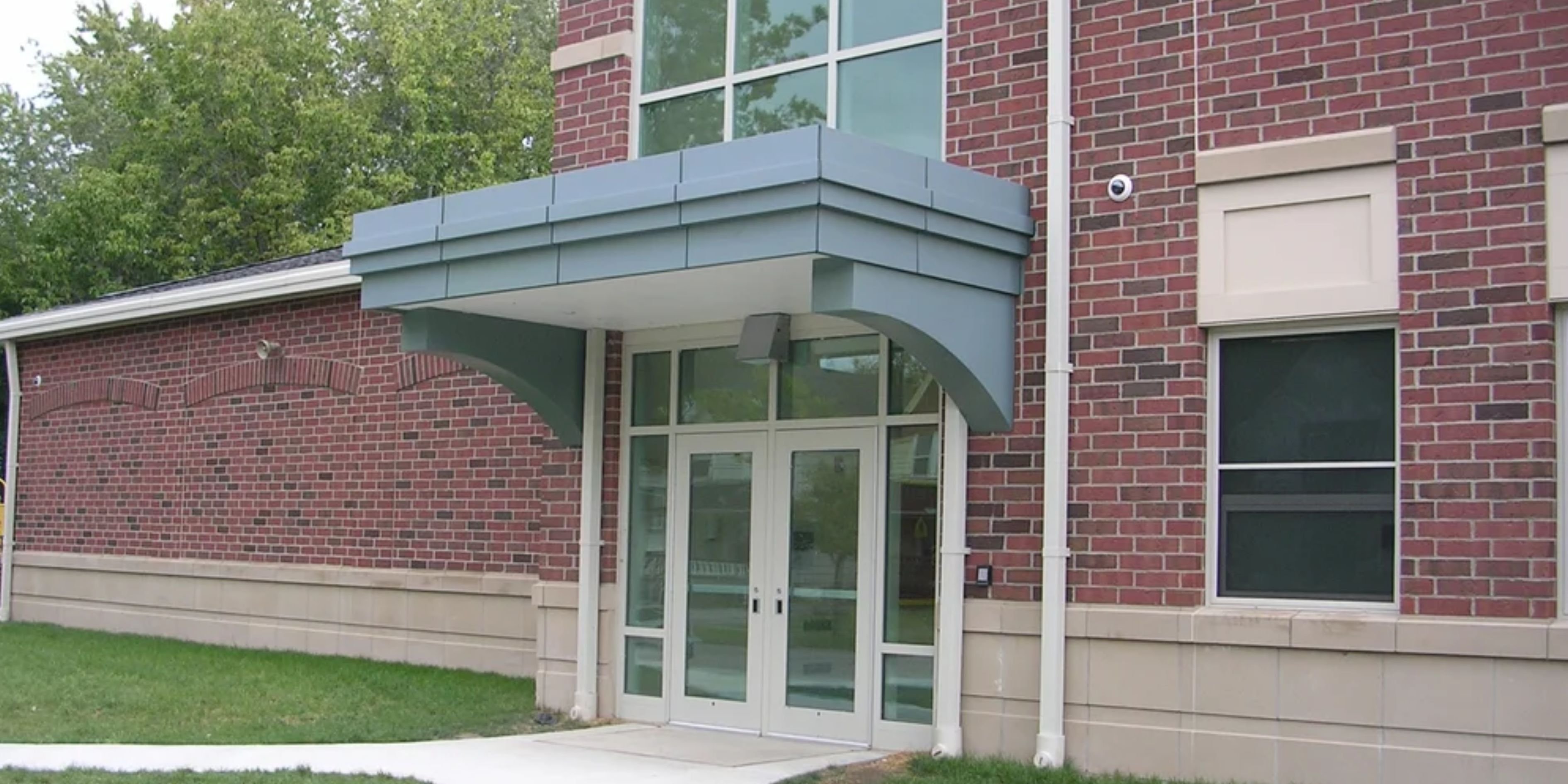
How Do Metal Composite Material Wall Panels Compare to Traditional Cladding Materials?

Metal composite material wall panels are used in many modern buildings today. These panels are often compared with older wall materials like brick, stone, and solid metal sheets. The main difference is simple. Composite panels are lighter, faster to install, and easier to handle.
Traditional cladding is heavier and takes more time and effort to build. Both systems are still used in construction. But many modern projects now choose composite panels because they make wall work quicker and more efficiently.
Key Differences from Traditional Cladding
Traditional cladding materials like brick and stone are strong and long-lasting. They also bring a classic look. But they are heavy and take more time to install. Each piece must be placed one by one, which slows down the work.
Metal composite material wall panels are made in large sheets. One panel can cover a large section of the wall at once. This reduces the number of steps needed during installation.
This difference makes a big impact on large buildings. Offices, malls, and commercial spaces benefit from faster wall completion and easier handling on-site.
|
Feature |
Metal Composite Wall Panels |
Traditional Cladding |
|---|---|---|
|
Weight |
Light and easy to handle |
Heavy and difficult to move |
|
Installation |
Fast and simple |
Slow and time consuming |
|
Design |
Many modern finishes |
Limited options |
|
Maintenance |
Low care needed |
More repairs needed |
|
Wall Load |
Less pressure on structure |
More structural load |
Weight and Handling Advantages in Construction
Weight plays a big role in construction work. Heavy materials need more support and more labor to install. This can slow down the building process. Composite panels are much lighter. Architectural exterior panels made from composite materials are easier to carry, lift, and fix in place.
This reduces pressure on workers and on the building structure. Less weight also helps improve safety on site. Workers can handle panels more easily, which lowers the effort during installation.
Weather Performance in Real Building Conditions
Exterior walls face constant weather changes. Sun, rain, wind, and heat all affect the surface over time. Materials must stay stable in these conditions. Composite panels are designed to handle weather changes. They do not crack easily and stay stable when temperatures go up and down.
Rainwater also moves off the surface more easily. Smooth panel surfaces do not hold water for long periods. This helps reduce staining and surface damage over time.
Installation Speed and Site Efficiency
Installation speed is one of the biggest advantages of composite systems. Traditional cladding takes longer because each piece must be installed carefully. Composite panels cover larger areas in fewer steps. This helps speed up the entire wall installation process.
- Faster coverage of large wall areas
- Fewer installation steps needed
- Easier alignment of panels
- Reduced labor effort on-site
- Shorter project timelines
These points make a real difference in large commercial projects where time matters.
Design Flexibility in Modern Architecture
Modern buildings need clean, simple, and flexible designs. Composite panels support this need well. Metal composite material wall panels come in many colors and finishes. They can look smooth, matte, glossy, or even mimic other materials like wood or stone.
This gives architects more freedom in design. They can create modern building exteriors without being limited to one material style. Stone and brick have fewer design choices. Composite systems open more options for creative building exteriors.
Maintenance Needs over Time
Maintenance is an important part of building performance. Some materials need regular repairs or cleaning to stay in good shape. Brick and stone may need fixing over time if cracks or damage appear.
Cleaning can also take more effort depending on the surface type. Composite panels are easier to maintain. Their smooth surface does not hold dirt easily.
- Simple cleaning process
- Fewer repair needs
- Stable surface finish over time
- Better resistance to stains
This makes them useful for buildings that need a clean look with low maintenance effort.
Cost and Long-Term Value in Projects
Construction cost is not only about material price. Labor time, installation speed, and maintenance also affect total cost. Traditional cladding may take longer to install, which increases labor cost. It may also require more maintenance later.
Composite panels reduce installation time and long-term upkeep. This helps lower overall project cost in many cases. Over time, savings come from faster work and reduced repair needs.
Application in Modern Building Projects
Composite panels are used in many types of buildings. They are common in projects that need fast construction and clean design.
They are often seen in:
- Office buildings
- Shopping centers
- Hospitals
- Schools
- Modern residential buildings
These projects choose composite systems because they balance design, speed, and performance.
Final Thoughts
Traditional cladding materials and modern panel systems both have value in construction. Each works best in different situations. Metal composite material wall panels offer clear advantages in weight, installation speed, and design flexibility. They help simplify wall construction and improve project efficiency.
In modern building work, metal composite material wall panels are widely chosen because they make exterior wall systems faster, lighter, and easier to manage.
People Also Ask For
What are metal composite wall panels made of?
They are made using two thin metal sheets with a light core placed between them. This layered design gives strength while keeping the panel light. It makes handling easier and supports faster installation on building walls.
Why are composite panels lighter than traditional cladding?
Composite panels use a layered structure instead of solid heavy materials like stone or brick. Because they are not fully solid, the weight is much lower. This makes lifting, moving, and fixing them easier on construction sites.
Do composite panels last long in outdoor conditions?
Yes, they are made for outdoor use and can handle sun, rain, wind, and heat changes. Their surface stays stable and does not break easily. When installed correctly, they keep their look and strength for many years.
Are these panels difficult to install?
No, they are not difficult to install. They come in large sheets that cover more wall space at once. This reduces installation steps and saves time. Workers can align and fix them more easily than smaller materials.
Do composite panels need regular maintenance?
Very little maintenance is needed for these panels. Their smooth surface does not collect much dirt. Simple cleaning with water is usually enough. This helps keep the building exterior clean without frequent repair or heavy upkeep work.